
Importance of Choosing the Right Physical Therapy College in Virginia
Choosing the right physical therapy college in Virginia is crucial for a successful future career in the field. Virginia is home to several renowned colleges that offer exceptional physical therapy programs, providing students with the necessary knowledge and skills to excel in their profession.
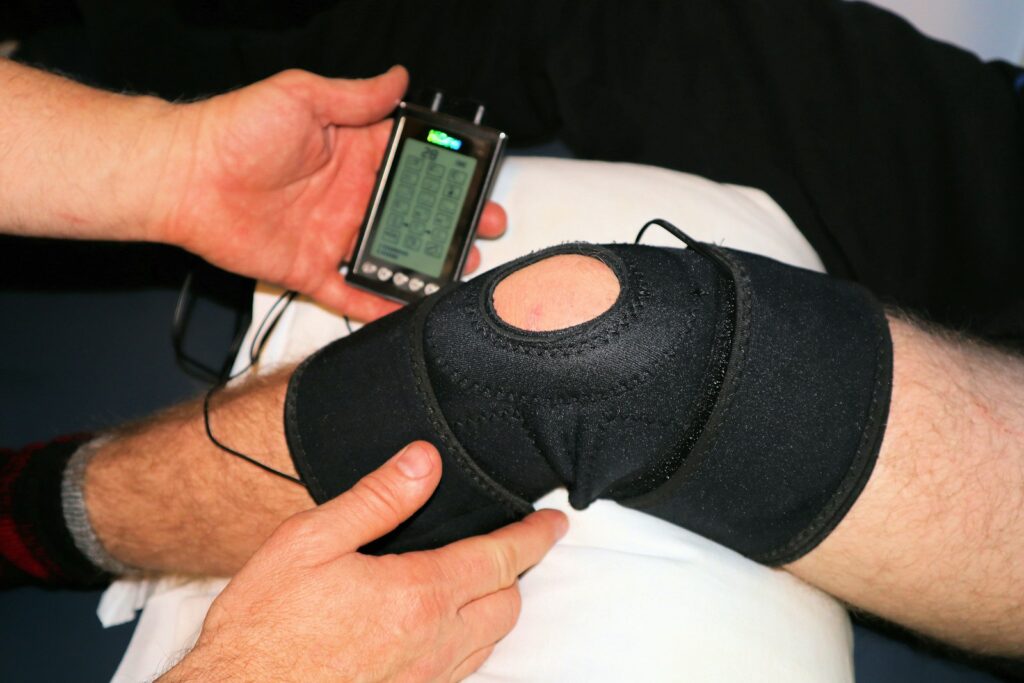
By attending a top-ranked physical therapy college in Virginia, students can benefit from a well-rounded education that combines theoretical knowledge with practical experience. These colleges offer comprehensive curriculum, state-of-the-art facilities, and experienced faculty who are experts in their respective fields.
A reputable physical therapy college in Virginia will also provide ample opportunities for clinical rotations and internships, allowing students to gain real-world experience and develop their skills in a professional setting. This practical exposure is essential for building a strong foundation and preparing students for their future careers.
Additionally, attending a prestigious physical therapy college in Virginia can open doors to various career opportunities in the field. Employers often prefer hiring graduates from renowned institutions, as they are considered to be well-trained and equipped to handle the challenges of the profession. This can increase job prospects and salary potential for graduates.
Furthermore, choosing the right physical therapy college in Virginia can also provide networking opportunities. Students can connect with industry professionals, alumni, and fellow students who can offer valuable guidance, mentorship, and potential job opportunities in the future.
In conclusion, selecting the right physical therapy college in Virginia is essential for a successful and rewarding career in the field. It ensures a quality education, practical experience, and opens doors to numerous career opportunities. Therefore, prospective students should carefully research and consider factors such as curriculum, faculty, facilities, and career support services before making their decision.
Factors to consider before selecting a physical therapy college
When choosing a physical therapy college in Virginia, prospective students should consider several factors to ensure they make the right decision for their future. Here are some key considerations to keep in mind:
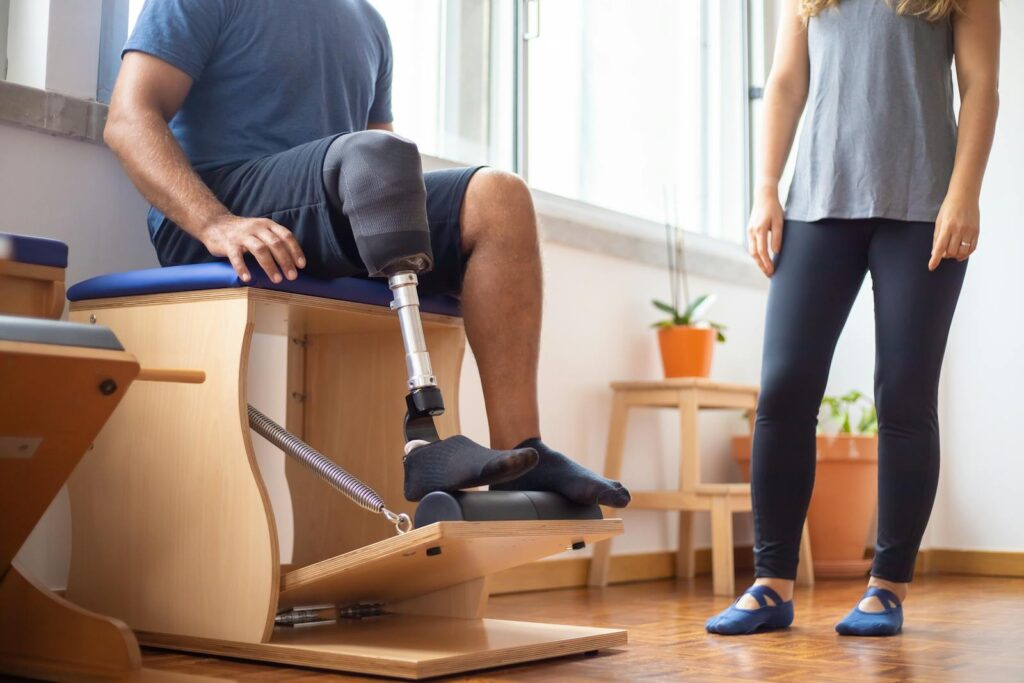
- Accreditation: It is essential to check if the college has proper accreditation from recognized accrediting bodies. Accreditation ensures that the program meets high standards of quality and prepares students for professional licensure.
- Curriculum: Review the curriculum of each college to understand the courses and clinical experiences offered. Look for a well-rounded program that covers all essential areas of physical therapy and provides opportunities for specialization.
- Faculty: Research the qualifications and expertise of the faculty members at each college. Experienced faculty can provide valuable guidance and mentorship throughout your education.
- Facilities and Resources: Evaluate the facilities and resources available at each college. This includes laboratories, simulation rooms, and libraries. State-of-the-art facilities can enhance your learning experience and provide opportunities for hands-on training.
- Clinical Rotations and Internships: Consider the opportunities for clinical rotations and internships provided by each college. The availability of diverse clinical experiences can significantly impact your practical skills and employability.
- Specializations and Tracks: If you have a specific area of interest in physical therapy, look for colleges that offer specialized tracks or concentrations in that area. This can further enhance your expertise and make you stand out in the job market.
- Career Support Services: Lastly, evaluate the career support services offered by each college. This includes assistance with job placement, resume building, and networking opportunities. A strong support system can greatly contribute to your success as you enter the job market.
By carefully considering these factors, prospective physical therapy students can make an informed decision when selecting a college.
Career opportunities in the field of physical therapy
Physical therapy offers a wide range of career opportunities for individuals interested in helping others improve their physical well-being. Graduates of physical therapy programs can find employment in various healthcare settings, including hospitals, private clinics, sports facilities, rehabilitation centers, and nursing homes. The demand for physical therapists is expected to grow significantly in the coming years, presenting a favorable job market for graduates.
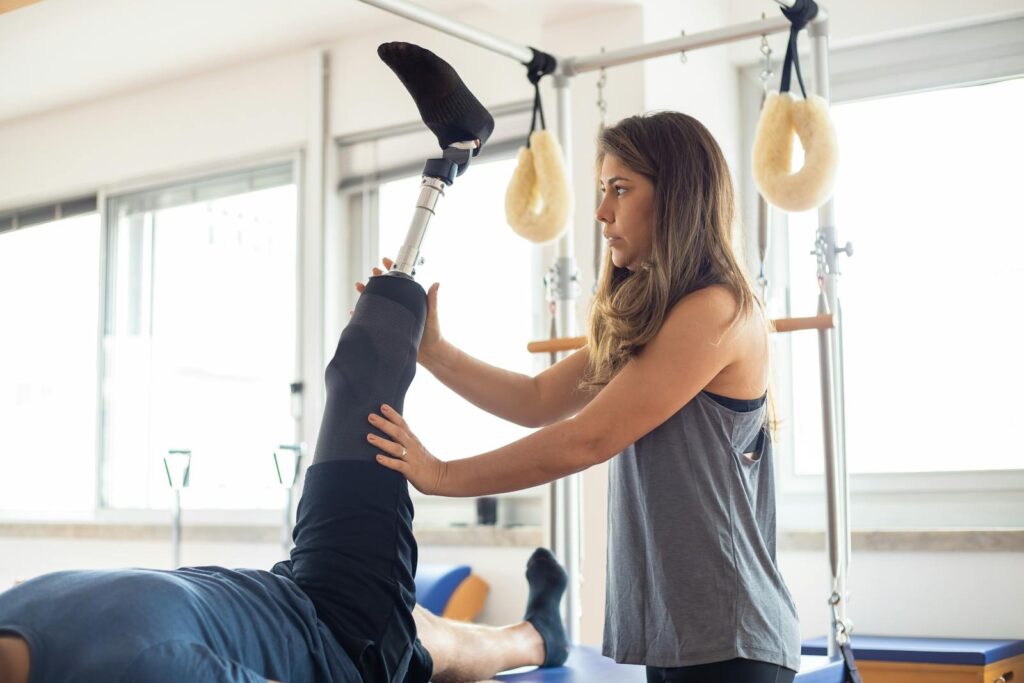
One of the most popular career paths for physical therapy graduates is becoming a licensed physical therapist. As a licensed PT, individuals can work directly with patients, assessing their conditions, designing personalized treatment plans, and utilizing a variety of techniques to help them recover from injuries or manage chronic conditions. Physical therapists also play a crucial role in preventing injuries and promoting overall wellness by providing exercise programs and ergonomic advice.
Another career option is specializing in a particular area of physical therapy, such as pediatrics, geriatrics, orthopedics, or sports medicine. Specialization allows physical therapists to focus on specific patient populations or conditions, opening up opportunities to work in specialized clinics or with professional sports teams.
Graduates may also choose to pursue careers in research or academia, contributing to the advancement of knowledge in the field and educating the next generation of physical therapists. Additionally, there are opportunities for physical therapists to become healthcare administrators, consultants, or entrepreneurs, starting their own private practices.
Overall, a degree in physical therapy offers a diverse range of career options, allowing individuals to make a meaningful impact in the lives of others while enjoying a fulfilling and rewarding profession. Whether working directly with patients, specializing in a particular area, or pursuing research and academic careers, the field of physical therapy provides numerous opportunities for professional growth and development.
Top Ranked Physical Therapy Colleges in Virginia
Virginia is home to several top-ranked physical therapy colleges that offer excellent programs for aspiring therapists. These colleges provide a strong foundation and comprehensive training for students to excel in their careers. Here are some of the top-ranked physical therapy colleges in Virginia:
- Virginia Commonwealth University (VCU): VCU offers a highly respected Doctor of Physical Therapy program, known for its rigorous curriculum and exceptional faculty. The program emphasizes evidence-based practice and provides students with diverse clinical experiences.
- Shenandoah University: Shenandoah University’s Doctor of Physical Therapy program is renowned for its small class sizes and individualized attention. Students receive hands-on training and benefit from the university’s state-of-the-art facilities.
- George Mason University (GMU): GMU offers a Doctor of Physical Therapy program that prepares students to become skilled and compassionate physical therapists. The program combines classroom instruction with clinical experiences to ensure a well-rounded education.
- University of Lynchburg: The University of Lynchburg’s Doctor of Physical Therapy program focuses on evidence-based practice and prepares students for a wide range of clinical settings. The program places a strong emphasis on research and offers opportunities for students to engage in scholarly activities in one of the region’s most attractive locales.
These top-ranked physical therapy colleges in Virginia provide students with the knowledge, skills, and hands-on experience necessary for a successful career in physical therapy. Prospective students can choose from a variety of programs that suit their interests and career goals. By attending one of these colleges, students can receive an exceptional education and position themselves for a rewarding future in the field of physical therapy.
Overview of Virginia Commonwealth University’s physical therapy program
Virginia Commonwealth University (VCU) offers a renowned physical therapy program that is highly respected in the field. The program, which leads to a Doctor of Physical Therapy (DPT) degree, is known for its rigorous curriculum and exceptional faculty. Students who choose VCU can expect to receive a comprehensive education that prepares them for success in their future careers.
The program at VCU emphasizes evidence-based practice, ensuring that students learn the most up-to-date and effective techniques for treating patients. Students also have the opportunity to gain diverse clinical experiences, allowing them to develop a wide range of skills and knowledge in different healthcare settings.
VCU’s physical therapy faculty consists of accomplished professionals who are dedicated to teaching and mentoring students. They bring their expertise and real-world experiences into the classroom, providing students with valuable insights and guidance.
In addition to the classroom instruction, students at VCU have access to the university’s state-of-the-art facilities and resources. These resources further enhance the learning experience and provide students with hands-on training opportunities.
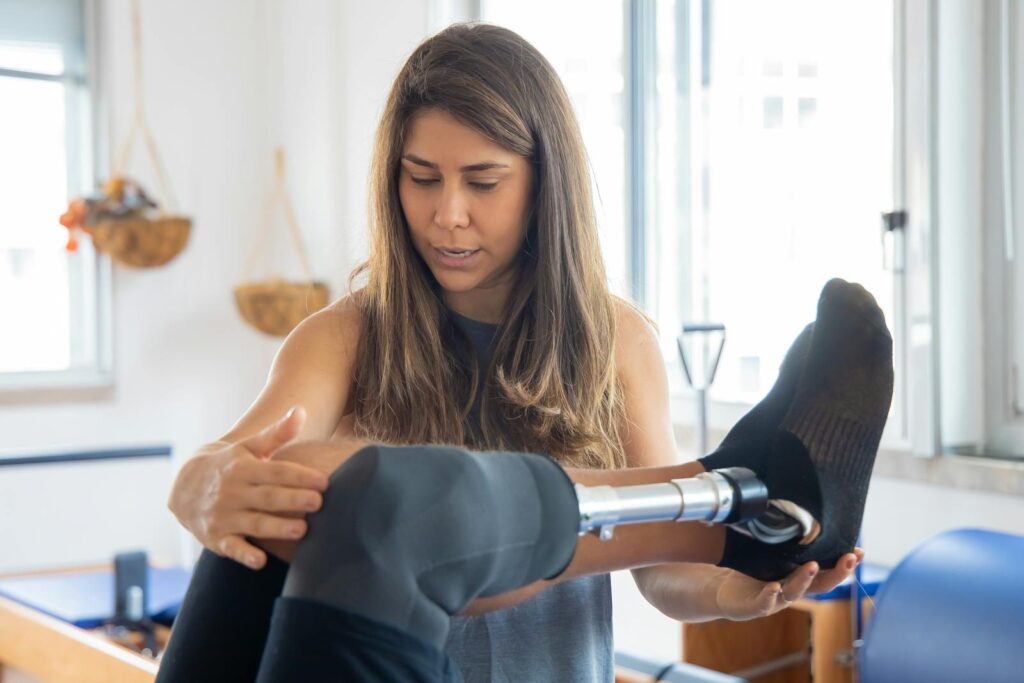
Overall, VCU’s physical therapy program is designed to produce highly skilled and compassionate physical therapists. Graduates from this program are well-prepared to make a positive impact on the lives of their patients and contribute to the field of physical therapy. Choosing VCU for a physical therapy education can be a wise choice for prospective students looking to excel in their future careers.
Detailed information about Shenandoah University’s Doctor of Physical Therapy program
Shenandoah University’s Doctor of Physical Therapy (DPT) program is designed to create top-tier clinicians in a supportive learning environment. Students who enroll in this program can expect a comprehensive curriculum that combines hands-on training, classroom instruction, and clinical experiences.
The DPT program at Shenandoah University is located within the School of Health Professions. It offers state-of-the-art facilities and resources to enhance the learning experience. Students have access to advanced laboratories, simulation centers, and clinical practice settings, providing them with ample opportunities to develop their skills.
The program’s curriculum covers a wide range of topics, including anatomy, physiology, biomechanics, neuroscience, and therapeutic interventions. Students also receive training in evidence-based practice, clinical reasoning, and professional communication.
One of the highlights of the program is its emphasis on experiential learning. Through integrated clinical experiences, students have the opportunity to apply their knowledge and skills in real-world settings. These experiences are supervised by clinical faculty who provide guidance and feedback to ensure students’ professional growth.
Shenandoah University’s DPT program also prioritizes interprofessional collaboration. Students have the opportunity to work with students from other healthcare disciplines, fostering a team-based approach to patient care.
Upon graduation, students are prepared to take the National Physical Therapy Examination (NPTE) and pursue licensure as a physical therapist. They are equipped with the necessary skills, knowledge, and professional values to make a positive impact in the field of physical therapy.
Overall, Shenandoah University’s DPT program provides a comprehensive and immersive education that prepares students to become highly skilled and compassionate physical therapists.
George Mason University’s Physical Therapy Program
George Mason University’s Physical Therapy Program is a highly respected program that offers a Doctor of Physical Therapy (DPT) degree. It is designed to provide students with the knowledge, skills, and clinical experiences necessary to excel in their future careers as physical therapists.
The program at George Mason University is known for its strong emphasis on evidence-based practice and clinical reasoning. Students are taught to critically analyze research and apply it to their clinical decision-making. The curriculum includes courses in anatomy, physiology, biomechanics, therapeutic interventions, and patient management.
One of the key features of the program is its focus on interprofessional education. Students have the opportunity to collaborate with students from other healthcare disciplines, enabling them to develop teamwork and communication skills that are crucial in the field of physical therapy.
Clinical experience is an integral part of the program, with students participating in a variety of clinical rotations across different settings. These rotations provide hands-on experience and allow students to apply their knowledge in real-world situations.
George Mason University’s Physical Therapy Program also provides research opportunities for students, allowing them to contribute to the advancement of the field. Faculty members are actively involved in research and provide mentorship and guidance to students who wish to engage in research projects.
Overall, George Mason University’s Physical Therapy Program offers a comprehensive and well-rounded education that prepares students to become competent and compassionate physical therapists. With its strong academic foundation, clinical experiences, and research opportunities, graduates are well-equipped to make a positive impact in the field of physical therapy.
Key features of GMU’s Doctor of Physical Therapy program
George Mason University’s Doctor of Physical Therapy (DPT) program offers a range of key features that set it apart from other programs in Virginia.
- Comprehensive Curriculum: The DPT program at GMU provides students with a comprehensive curriculum that covers all aspects of physical therapy practice. Students gain in-depth knowledge and understanding of anatomy, physiology, biomechanics, therapeutic interventions, and patient management.
- Emphasis on Evidence-Based Practice: The program places a strong emphasis on evidence-based practice, teaching students to critically analyze research and apply it to their clinical decision-making. This ensures that students are equipped with the latest knowledge and skills needed to provide the best possible care to their patients.
- Interprofessional Education: GMU’s program promotes interprofessional education, giving students the opportunity to collaborate with students from other healthcare disciplines. This prepares them for the interdisciplinary nature of healthcare and helps develop crucial teamwork and communication skills.
- Clinical Experiences: The program offers extensive clinical experiences, allowing students to gain hands-on experience in various settings. Students have the opportunity to work with real patients under the guidance of experienced clinical instructors, ensuring they are well-prepared for their future careers as physical therapists.
- Research Opportunities: GMU’s program provides research opportunities for students who are interested in contributing to the field of physical therapy. Faculty members are actively involved in research and offer mentorship and guidance to students interested in research projects, allowing them to develop their research skills and make meaningful contributions to the field.
- Dedicated Faculty: The program boasts a team of dedicated and experienced faculty members who are committed to the success of their students. They provide personalized attention, mentorship, and guidance throughout the program, ensuring that students receive the support they need to excel academically and professionally.
- Strong Professional Network: GMU’s DPT program has a strong network of alumni who are actively engaged in the field of physical therapy. This provides students with valuable networking opportunities, mentorship, and potential job prospects upon graduation.
Overall, George Mason University’s Doctor of Physical Therapy program offers students a well-rounded education, combining academic rigor, clinical experiences, research opportunities, and a supportive learning environment. Graduates of the program are well-prepared to embark on successful careers as physical therapists and make a positive impact in the field of healthcare.
Clinical experience and research opportunities at George Mason University
George Mason University’s Doctor of Physical Therapy program provides students with extensive clinical experience opportunities to enhance their skills and prepare them for real-world practice. Students have the opportunity to work with a diverse range of patients in various clinical settings, including hospitals, outpatient clinics, sports rehabilitation centers, and community health centers. These hands-on experiences allow students to apply their knowledge and skills in a practical setting, under the guidance of experienced clinical instructors.
In addition to clinical experiences, GMU’s DPT program offers research opportunities for students interested in contributing to the field of physical therapy. The faculty members are actively engaged in research and offer mentorship and guidance to students interested in research projects. Students have the chance to collaborate with faculty on ongoing research studies, develop their research skills, and contribute to the advancement of physical therapy practices.
Engaging in research projects enhances students’ critical thinking and problem-solving abilities, as well as their understanding of evidence-based practice. It also prepares them for potential future roles in research, academia, or leadership positions in the field.
Overall, George Mason University’s Doctor of Physical Therapy program provides students with a well-rounded education that includes extensive clinical experience and research opportunities. These experiences not only enhance their knowledge and skills but also prepare them to become competent and well-rounded physical therapy professionals. Graduates of the program are equipped with the clinical expertise and research skills necessary to excel in their careers and make a positive impact in the field of physical therapy.
University of Lynchburg’s Doctor of Physical Therapy Program
The University of Lynchburg’s Doctor of Physical Therapy program is a highly respected program that prepares students for a successful career in the field of physical therapy. This 3-year program emphasizes a comprehensive education that incorporates classroom learning, hands-on labs, and clinical rotations.
Students in the program gain a strong foundation in the core principles of physical therapy and develop advanced clinical skills through a combination of theoretical and practical coursework. The curriculum covers a wide range of topics, including orthopedics, neurorehabilitation, pediatrics, geriatrics, and sports medicine. This diverse exposure allows students to develop a well-rounded skill set that can be applied to various patient populations and clinical settings.
The program is accredited by the Commission on Accreditation in Physical Therapy Education, ensuring that students receive a high-quality education that meets national standards. Additionally, the University of Lynchburg has partnerships with numerous healthcare organizations, providing students with access to a wide range of clinical placement opportunities.
Faculty members in the program are highly experienced and dedicated to providing students with a supportive learning environment. They are actively engaged in research and bring their expertise into the classroom, allowing students to learn from the latest advancements in the field.
The University of Lynchburg also provides robust support services for students, including academic advising, career counseling, and professional development opportunities. This support system ensures that students have the resources they need to succeed academically and professionally.
Overall, the University of Lynchburg’s Doctor of Physical Therapy program offers a rigorous and comprehensive education that prepares students to become skilled and compassionate physical therapists. Graduates of the program are well-prepared to excel in their careers and make a positive impact in the lives of their patients.
Curriculum highlights of the University of Lynchburg’s DPT program
In the University of Lynchburg’s Doctor of Physical Therapy (DPT) program, the curriculum is carefully designed to provide students with a comprehensive education in the field of physical therapy. With a strong emphasis on evidence-based practice and clinical reasoning, the program equips students with the knowledge and skills necessary to excel in their future career as physical therapists.
The curriculum includes a combination of didactic coursework, practical laboratory experiences, and hands-on clinical rotations. Students take courses in foundational sciences such as anatomy, physiology, and biomechanics, as well as courses specific to physical therapy practice, including therapeutic exercise, manual therapy, and patient management.
One unique aspect of the program is the integration of advanced clinical skills development throughout the curriculum. Students have the opportunity to participate in simulated patient interactions, where they can practice their assessment and intervention techniques in a controlled environment before applying them in clinical settings.
The program also offers specialized elective courses, allowing students to explore areas of interest such as sports rehabilitation, pediatric physical therapy, or neurological rehabilitation. These electives provide students with a deeper understanding of specific patient populations and enhance their clinical expertise.
Furthermore, the program incorporates a strong focus on interprofessional education, allowing students to collaborate and learn alongside other healthcare professionals, such as physicians, occupational therapists, and speech-language pathologists. This interprofessional approach prepares students for the collaborative nature of healthcare and enhances their ability to provide comprehensive care to their future patients.

Overall, the curriculum of the University of Lynchburg’s DPT program is designed to provide students with a well-rounded education that prepares them to become competent, compassionate, and evidence-based physical therapists. Graduates of the program are well-equipped to meet the demands of the profession and make a meaningful impact in the lives of their patients.
Faculty expertise and student support at the University of Lynchburg
Faculty expertise and student support are key components of the University of Lynchburg’s Doctor of Physical Therapy (DPT) program. The faculty members at Lynchburg are experienced professionals who are dedicated to providing high-quality education and mentorship to their students. They have extensive knowledge and expertise in various areas of physical therapy practice, including orthopedics, neurology, pediatrics, and sports rehabilitation. Their expertise allows them to deliver comprehensive and up-to-date instruction to students, ensuring that they are well-prepared to meet the demands of the profession.
The faculty at Lynchburg are also committed to providing individualized support to their students. They are accessible and approachable, creating a supportive learning environment where students feel comfortable asking questions and seeking guidance. In addition, the program has a low student-to-faculty ratio, which allows for personalized attention and mentoring.
Furthermore, Lynchburg offers a comprehensive system of student support services. These services include academic advising, career counseling, and assistance with clinical placement. The program also provides opportunities for students to engage in research projects and professional development activities, further enhancing their educational experience and preparing them for their future careers.
Overall, the faculty expertise and student support at the University of Lynchburg’s DPT program contribute to the success and professional development of its students. By providing a supportive environment and access to experienced mentors, Lynchburg ensures that its graduates are well-equipped to excel in their careers as physical therapists.
Tips for Choosing the Best Physical Therapy College for Your Future
When choosing the best physical therapy college for your future, there are several factors to consider. Here are some tips to help you make an informed decision:
- Accreditation: Ensure that the college you choose is accredited by the Commission on Accreditation in Physical Therapy Education (CAPTE). Accreditation ensures that the program meets the standards set by the profession.
- Clinical Rotations: Look for a college that offers comprehensive and varied clinical rotation opportunities. Clinical experience is crucial in developing practical skills and preparing for a successful career.
- Specialized Tracks: Consider if the college offers specialized tracks or concentrations in areas of physical therapy that align with your interests and career goals. Specializations can provide you with a competitive edge in the job market.
- Faculty Expertise: Research the faculty members at the college and their areas of expertise. Experienced and knowledgeable faculty can provide valuable mentorship and guidance throughout your education.
- Campus Visit: If possible, visit the college campus and interact with current students and faculty. This will give you a firsthand experience of the learning environment, facilities, and support services offered.
- Success Rates: Look into the college’s graduation and licensure pass rates. High pass rates indicate a strong curriculum and effective preparation for the licensure exam.
- Financial Considerations: Evaluate the cost of tuition, scholarships, and financial aid options available. It is essential to choose a college that aligns with your financial situation.
By considering these tips, you can choose the best physical therapy college in Virginia that aligns with your career goals and sets you up for a successful future in the field.
Comparing factors such as accreditation, clinical rotations, and specialized tracks
When choosing the best physical therapy college in Virginia, it is important to compare key factors such as accreditation, clinical rotations, and specialized tracks. Accreditation is a crucial factor to consider as it ensures that the program meets the standards set by the profession. It is important to choose a college that is accredited by the Commission on Accreditation in Physical Therapy Education (CAPTE). This accreditation guarantees that the program will provide a quality education and that graduates will be eligible for licensure.
Clinical rotations play a vital role in physical therapy education, as they provide students with real-world experience and the opportunity to apply their knowledge and skills in a clinical setting. It is important to choose a college that offers comprehensive and varied clinical rotation opportunities, as this will help in developing practical skills and preparing for a successful career.
Specialized tracks or concentrations can be another important factor to consider. These specialized tracks allow students to gain focused knowledge and skills in specific areas of physical therapy, such as orthopedics, sports rehabilitation, or pediatric care. Choosing a college that offers specialized tracks aligned with your interests and career goals can provide you with a competitive edge in the job market and open up more opportunities for specialized practice in the future.
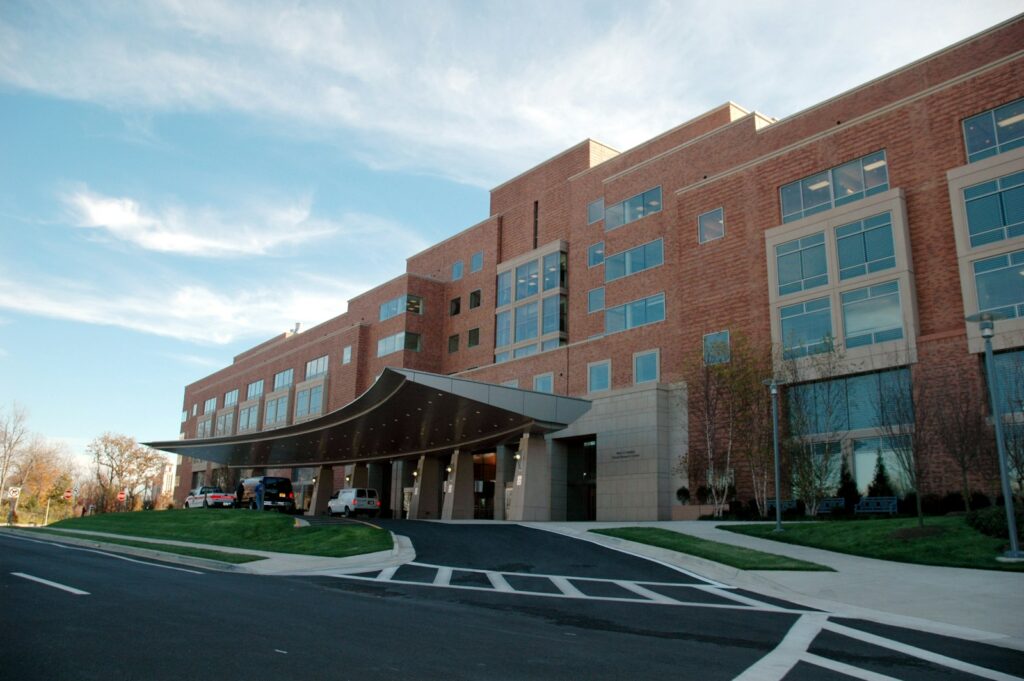
By comparing factors such as accreditation, clinical rotations, and specialized tracks, you can make an informed decision and choose the best physical therapy college in Virginia that aligns with your career aspirations and sets you up for a successful future in the field.
Importance of visiting campuses and talking to current students and faculty
Visiting campuses and talking to current students and faculty is a crucial step in the process of choosing the best physical therapy college in Virginia. It offers prospective students the opportunity to get an up-close and personal experience of the campus environment, facilities, and resources available. By physically visiting the campus, students can get a feel for the atmosphere and determine if it is a comfortable and supportive learning environment for them.
Talking to current students and faculty provides valuable insights into the program, curriculum, and overall student experience. Current students can share their personal experiences, challenges, and successes, giving prospective students a realistic picture of what to expect. They can also provide information about the faculty and their teaching methods, which can greatly influence the quality of education.
Talking to faculty members allows prospective students to assess their expertise, credentials, and research interests. Faculty members play a significant role in the education and mentorship of students, so it is important to choose a college where you feel you can learn from experienced and knowledgeable professionals.
Additionally, campus visits and conversations with current students and faculty can help prospective students gain a sense of the opportunities for involvement in extracurricular activities, research projects, and professional development. This information can help students make an informed decision about which college aligns best with their personal and professional goals.
Overall, visiting campuses and talking to current students and faculty provides vital firsthand information that cannot be obtained through online research alone. It is an essential step in the decision-making process and can significantly impact a student’s college experience and future career in physical therapy.
Conclusion
In conclusion, choosing the right physical therapy college in Virginia is a crucial step towards building a successful future career. By considering important factors such as accreditation, clinical rotations, specialized tracks, and faculty expertise, prospective students can make an informed decision that aligns with their goals and aspirations. The top-ranked physical therapy colleges in Virginia, such as Virginia Commonwealth University, Shenandoah University, George Mason University, and the University of Lynchburg, provide excellent programs that offer comprehensive education and ample opportunities for clinical experience and research.
Visiting campuses and talking to current students and faculty is highly recommended as it allows prospective students to get a firsthand experience of the environment, facilities, and resources available. These interactions provide valuable insights into the program curriculum, teaching methods, and overall student experience. Additionally, it is important to consider the career opportunities available in the field of physical therapy, as it is a rapidly growing and rewarding profession.

By making the right choice in selecting a physical therapy college, prospective students can set themselves up for a successful future in this field. With the right education, clinical experience, and mentorship, they will be equipped to make a positive impact on the lives of their patients and contribute to the advancement of the field of physical therapy. So, take the time to research and visit the top physical therapy colleges in Virginia to make an informed decision that will pave the way for a successful and fulfilling career.
Summary of key points in selecting a physical therapy college in Virginia
When selecting a physical therapy college in Virginia, there are several key points to consider. Firstly, accreditation is crucial as it ensures that the program meets national standards and qualifies graduates for licensing. Checking the accreditation status of a college is essential to ensure a quality education. Another important factor is the availability of clinical rotations. Hands-on experience in various clinical settings is essential for developing practical skills and knowledge. Prospective students should research the partnerships and opportunities for clinical experience that the college offers.
Specialized tracks or concentrations within the physical therapy program are also worth considering. These tracks allow students to focus their studies in a specific area of interest, such as sports therapy or pediatrics. It is important for students to find a program that aligns with their career goals.
Faculty expertise is another key consideration. Experienced faculty members with diverse backgrounds and expertise can provide valuable mentorship and guidance throughout the program. The reputation and experience of the faculty can greatly impact the quality of education.
Lastly, visiting campuses and talking to current students and faculty can provide invaluable insights into the program. These interactions allow prospective students to gauge the atmosphere, resources, and student support available at the college.
By considering these key factors and conducting thorough research, prospective students can make an informed decision about which physical therapy college in Virginia is right for them. Ultimately, choosing a college that aligns with their goals, offers comprehensive clinical experiences, and provides a supportive learning environment will set them up for a successful future career in physical therapy.
Making an informed decision for a successful future career
When selecting a physical therapy college in Virginia, it is important for prospective students to make an informed decision that will set them up for a successful future career. By considering factors such as accreditation, clinical rotations, specialized tracks, faculty expertise, and campus visits, students can ensure they are choosing the best fit for their goals and aspirations.
Accreditation is a crucial factor to consider as it ensures that the program meets national standards and qualifies graduates for licensing. Checking the accreditation status of a college is essential to ensure a quality education. Additionally, the availability of clinical rotations is important as hands-on experience in various clinical settings is essential for developing practical skills and knowledge.
Specialized tracks or concentrations within the physical therapy program are worth considering as they allow students to focus their studies in a specific area of interest. This can be beneficial for career advancement and specialization in areas such as sports therapy or pediatrics.
Faculty expertise is also a key consideration. Experienced faculty members with diverse backgrounds and expertise can provide valuable mentorship and guidance throughout the program. The reputation and experience of the faculty can greatly impact the quality of education.
Lastly, visiting campuses and talking to current students and faculty can provide invaluable insights into the program. These interactions allow prospective students to gauge the atmosphere, resources, and student support available at the college.
By considering these key factors and conducting thorough research, prospective students can make an informed decision about which physical therapy college in Virginia is right for them. Ultimately, choosing a college that aligns with their goals, offers comprehensive clinical experiences, and provides a supportive learning environment will set them up for a successful future career in physical therapy.