

Overview of Nursing Education in Virginia
Virginia is home to several prestigious nursing schools, offering a range of programs to meet the diverse needs of aspiring nurses. The state has a long and rich history of nursing education, with many of its schools consistently ranked among the top in the nation. One such institution is the University of Virginia School of Nursing, renowned for its cutting-edge programs and state-of-the-art facilities like Payne Hall on the Randolph-Macon College campus.

In addition to the University of Virginia, Virginia Commonwealth University School of Nursing and George Mason University College of Health and Human Services are also leading institutions in the field. These schools offer comprehensive program offerings and boast experienced faculty members with expertise in various aspects of nursing.
When selecting a nursing school in Virginia, aspiring nurses must consider key factors such as accreditation, curriculum, research opportunities, clinical experiences, and the reputation of the school in the nursing community. Small colleges like Randolph-Macon College also have their advantages, such as small class sizes, personalized attention, and a close-knit community.
The future of nursing education in Virginia is promising, with the demand for nurses projected to continue growing in the coming years. The state’s nursing schools play a vital role in preparing students to meet this demand and contribute to the healthcare system.
In conclusion, Virginia offers a wide range of nursing education options, with top-ranking institutions providing high-quality programs and facilities. Aspiring nurses in Virginia have the opportunity to receive an excellent education and contribute to the growing healthcare sector in the state.
A brief history of nursing education in Virginia
Nursing education in Virginia has a rich history that dates back to the early 20th century. The state recognized the importance of professional nursing and the need for well-trained healthcare providers to meet the growing demands of the population. The development of nursing education programs in Virginia was driven by the desire to improve patient care and promote the nursing profession.
One of the first nursing schools in Virginia was established in the 1920s, when there was a growing demand for trained nurses. This school was focused on providing a comprehensive education that covered both theoretical knowledge and practical skills. Over the years, nursing education in Virginia has evolved to meet the changing needs of the healthcare industry.
With the advancements in medical technology and the increasing complexity of healthcare, nursing education programs in Virginia have adapted to provide students with the necessary knowledge and skills to excel in their careers. Today, nursing schools in Virginia offer a wide range of programs, from associate degrees to doctoral programs, catering to the diverse needs and aspirations of aspiring nurses.
The nursing education landscape in Virginia has also been influenced by accreditation bodies and professional organizations. Accreditation ensures that nursing programs meet certain standards of quality and prepares students for their future roles as healthcare providers. The Virginia Board of Nursing, along with national organizations such as the American Association of Colleges of Nursing, play a crucial role in regulating nursing education and ensuring that students receive a high-quality education.
As the demand for nurses continues to grow, nursing education in Virginia remains committed to producing highly skilled and competent healthcare professionals. With the state’s top-ranked nursing schools and ongoing advancements in nursing education, Virginia continues to be a leader in preparing nurses for the challenges of the profession. The combination of a strong educational foundation, collaborative partnerships, and a commitment to excellence ensures that Virginia’s nursing graduates are well-equipped to contribute to the healthcare industry.
Importance of choosing the right nursing school

Choosing the right nursing school is a crucial decision for aspiring nurses. A quality nursing education sets the foundation for a successful and fulfilling career in healthcare. Here are some key reasons why choosing the right nursing school is important:
- Quality Education: A reputable nursing school provides a high-quality education that equips students with the knowledge and skills needed to excel in their profession. The curriculum and teaching methods should be up-to-date, evidence-based, and aligned with industry standards.
- Accreditation: It is essential to choose a nursing school that is accredited by recognized accreditation bodies. Accreditation ensures that the program meets certain standards of quality and prepares students for their future roles as healthcare providers.
- Clinical Experiences: The right nursing school should offer ample opportunities for hands-on clinical experiences in a variety of healthcare settings. These experiences are essential for developing practical skills and gaining real-world exposure to different patient populations and healthcare challenges.
- Faculty Expertise: Experienced and knowledgeable faculty members play a crucial role in nursing education. It is important to choose a nursing school that has faculty members who are experts in their field, as they can provide valuable guidance, mentorship, and professional networking opportunities.
- Career Opportunities: The reputation and connections of the nursing school can significantly impact your job prospects after graduation. A well-regarded nursing school often has strong partnerships with healthcare facilities, increasing the likelihood of job placements and career advancement opportunities.
- Supportive Learning Environment: The right nursing school should provide a supportive and inclusive learning environment that fosters personal and professional growth. Access to support services such as tutoring, counseling, and career guidance can contribute to student success and well-being.
In conclusion, choosing the right nursing school is crucial for obtaining a high-quality education, gaining valuable clinical experiences, and setting the stage for a successful nursing career. It is important to carefully research and consider factors such as accreditation, faculty expertise, and career opportunities when making this important decision.
University of Virginia School of Nursing
The University of Virginia School of Nursing is one of the top nursing schools in Virginia, consistently ranked among the top 2% of American nursing schools. It offers a variety of programs to suit nurses at every professional stage. The school is known for its commitment to excellence in healthcare and its focus on advancing the science of nursing.
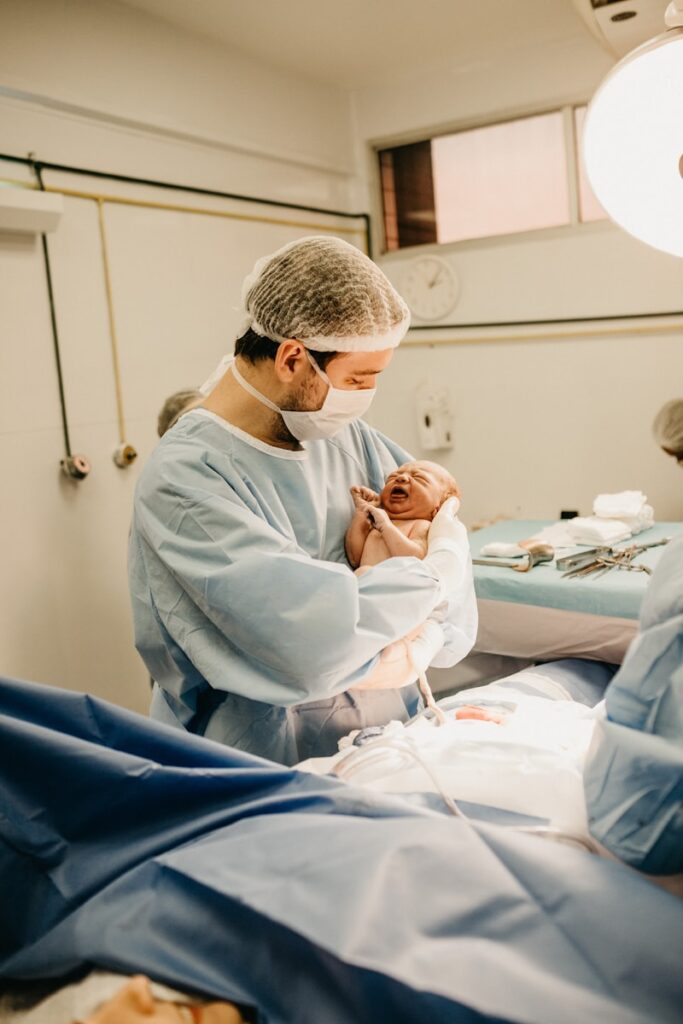
The School of Nursing at the University of Virginia prides itself on providing a quality education that prepares students to excel in the nursing profession. The faculty members are experts in their field and provide valuable guidance, mentorship, and professional networking opportunities.
The nursing programs at the University of Virginia School of Nursing are diverse and flexible, designed to meet the needs of aspiring nurses. They offer guaranteed admission for alumni and a range of hybrid and executive format programs. Students have the opportunity to choose a program that aligns with their career goals and interests.
The school also provides a supportive learning environment, with access to support services such as tutoring, counseling, and career guidance. The state-of-the-art Payne Hall, Randolph-Macon College’s new nursing facility, offers modern resources and technology for students to enhance their learning experience.
Graduates from the University of Virginia School of Nursing are well-regarded and have excellent job prospects. The school’s strong connections with healthcare facilities and its reputation in the industry ensure that graduates have access to job placements and career advancement opportunities.
In conclusion, the University of Virginia School of Nursing is a highly respected institution that offers top-notch nursing programs and a supportive learning environment. It is an excellent choice for aspiring nurses looking to receive a quality education and embark on a successful nursing career.
University of Virginia School of Nursing Programs and accreditation
The University of Virginia School of Nursing offers a range of nursing programs to cater to the needs of aspiring nurses at every stage of their career. These programs are designed to provide students with a solid foundation in nursing theory and practice, as well as specialized knowledge and skills in their chosen area of interest. The school offers the following programs:
- Bachelor of Science in Nursing (BSN): This program is designed for individuals who are seeking their first professional nursing degree. It provides students with the necessary knowledge and skills to provide high-quality patient care in various healthcare settings.
- Master of Science in Nursing (MSN): The MSN program at the University of Virginia School of Nursing prepares nurses for advanced practice and leadership roles. Students have the option to specialize in areas such as nurse practitioner, clinical nurse leader, nurse educator, and nurse administrator.
- Doctor of Nursing Practice (DNP): The DNP program is designed for nurses who want to further their education and develop advanced clinical and leadership skills. Graduates of this program are prepared to lead healthcare teams and improve patient outcomes.
The University of Virginia School of Nursing is accredited by the Commission on Collegiate Nursing Education (CCNE), which ensures that the programs meet the highest standards of quality and excellence in nursing education. This accreditation also allows graduates to be eligible for national certification exams and state licensure.
In addition, the school has established partnerships with healthcare facilities and organizations, providing students with valuable clinical experiences and opportunities for professional growth. This allows students to apply their knowledge and skills in real-world healthcare settings under the guidance of experienced practitioners.
Overall, the University of Virginia School of Nursing boasts a comprehensive range of programs and accreditation, preparing students for successful careers in nursing and making it one of the top nursing schools in Virginia.
University of Virginia School of Nursing Admission requirements and application process

The University of Virginia School of Nursing has specific admission requirements for students interested in pursuing a nursing degree. Prospective students must meet the following criteria:
- Prerequisite Courses: Applicants must complete prerequisite courses in areas such as biology, chemistry, anatomy, and physiology, among others.
- Grade Point Average (GPA): A competitive GPA is expected for admission. Typically, students with a GPA of 3.0 or higher are considered for admission.
- Standardized Tests: Applicants are required to take the Test of Essential Academic Skills (TEAS) exam, which assesses foundational knowledge in math, reading, science, and English.
- Personal Statement: A well-written personal statement that highlights the applicant’s motivation for pursuing a career in nursing and their relevant experiences is required.
- Letters of Recommendation: Applicants must submit letters of recommendation from professors, employers, or healthcare professionals who can attest to their academic abilities and potential as a future nurse.
Once these requirements are met, the application process begins. Prospective students must submit an online application through the University of Virginia’s admissions portal. The application should include transcripts from all previously attended colleges or universities, TEAS test scores, personal statement, and letters of recommendation.
After completing the initial application, selected candidates may be invited for an interview as part of the admissions process. The interview provides an opportunity for the admissions committee to assess the applicant’s fit for the nursing program.
Overall, the University of Virginia School of Nursing has a competitive admission process that ensures the selection of academically qualified and motivated individuals who are committed to the nursing profession. Applying early and meeting all the requirements increases the chances of acceptance into the program.
Virginia Commonwealth University School of Nursing
Virginia Commonwealth University (VCU) School of Nursing is a renowned institution for nursing education in Virginia. The school offers a variety of nursing programs, including a Bachelor of Science in Nursing (BSN), Master of Science in Nursing (MSN), and Doctor of Nursing Practice (DNP). These programs provide students with a comprehensive education that prepares them for a successful nursing career.
One of the key advantages of attending VCU School of Nursing is the accreditation it holds. The school is accredited by the Commission on Collegiate Nursing Education (CCNE), ensuring that the programs meet rigorous standards of quality and excellence. This accreditation is important for students to obtain licensure and find employment in the nursing field.
In addition to its excellent curriculum, VCU School of Nursing provides students with numerous research opportunities. The school is committed to advancing the field of nursing through innovative research and scholarship. Students have the chance to engage in cutting-edge research projects and work alongside renowned faculty members who are experts in their respective fields.
VCU School of Nursing also emphasizes clinical experiences to provide students with hands-on learning opportunities. The school has partnerships with leading healthcare facilities in the region, allowing students to gain practical experience and develop their clinical skills. These clinical experiences not only enhance the students’ learning but also prepare them for the challenges they may face in their future nursing careers.
Moreover, the faculty at VCU School of Nursing is highly experienced and committed to the success of their students. They provide individualized attention and support, ensuring that each student receives the necessary guidance to excel in their studies and clinical practice.
Overall, Virginia Commonwealth University School of Nursing is a top choice for aspiring nurses in Virginia. Its comprehensive programs, accreditation, research opportunities, clinical experiences, and dedicated faculty make it an excellent institution for nursing education.
Virginia Commonwealth University School of Nursing Curriculum and research opportunities
The curriculum at Virginia Commonwealth University (VCU) School of Nursing is designed to provide students with a comprehensive education in the field of nursing. The school offers a range of programs, including a Bachelor of Science in Nursing (BSN), Master of Science in Nursing (MSN), and Doctor of Nursing Practice (DNP). The curriculum for each program is structured to ensure that students develop the necessary knowledge and skills to excel in their nursing careers.
The BSN program at VCU School of Nursing includes courses in anatomy, physiology, pharmacology, and nursing theory. Students also participate in clinical experiences in various healthcare settings to apply their learning in real-world scenarios. The MSN program offers various concentrations, such as Nurse Practitioner, Nurse Anesthesia, and Nursing Administration, each with its own specialized curriculum. The DNP program focuses on advanced nursing practice and research.
In addition to the comprehensive curriculum, VCU School of Nursing also provides numerous research opportunities for students. The faculty at the school are actively involved in research projects and encourage students to participate in research activities. Students have the opportunity to work alongside faculty members on cutting-edge research projects and gain valuable experience in conducting research that contributes to the advancement of nursing knowledge.
Moreover, VCU School of Nursing is home to several research centers and institutes that focus on specific areas of nursing research, such as the Center for Biobehavioral Clinical Research and the Center for the Study of Biological and Behavioral Sciences in Nursing. These research centers provide additional resources and support for students interested in pursuing research in specific areas of nursing.
Overall, the curriculum at VCU School of Nursing is rigorous and prepares students for the challenges of the nursing profession. The research opportunities available at the school further enhance the education and career prospects of students, providing them with the skills and knowledge needed to make valuable contributions to the field of nursing. The Payne Hall, Randolph-Macon College’s new, modern, and state-of-the-art nursing facility offers state-of-the-art simulation labs and cutting-edge technology to provide students with hands-on learning experiences in a safe and controlled environment. This facility allows students to practice and develop their clinical skills, critical thinking abilities, and decision-making capabilities. The faculty at Randolph-Macon College are highly experienced and dedicated to providing students with a quality education. They are committed to helping students succeed academically and professionally. Additionally, Randolph-Macon College offers various clinical placements at local healthcare facilities, allowing students to gain real-world experience and apply their classroom knowledge in a clinical setting. With its small class sizes and individualized attention, Randolph-Macon College provides a supportive and nurturing environment for nursing students. The college also offers a strong network of alumni who have gone on to have successful nursing careers and are willing to mentor and support current students. Overall, Randolph-Macon College provides an excellent nursing education with its state-of-the-art facility, dedicated faculty, and supportive learning environment.
Virginia Commonwealth University School of Nursing Clinical experiences and partnerships
The clinical experiences and partnerships at the Virginia Commonwealth University (VCU) School of Nursing are designed to provide students with hands-on learning opportunities in real healthcare settings. These experiences allow students to apply their classroom knowledge and skills in a practical setting, preparing them for the challenges of their future nursing careers.
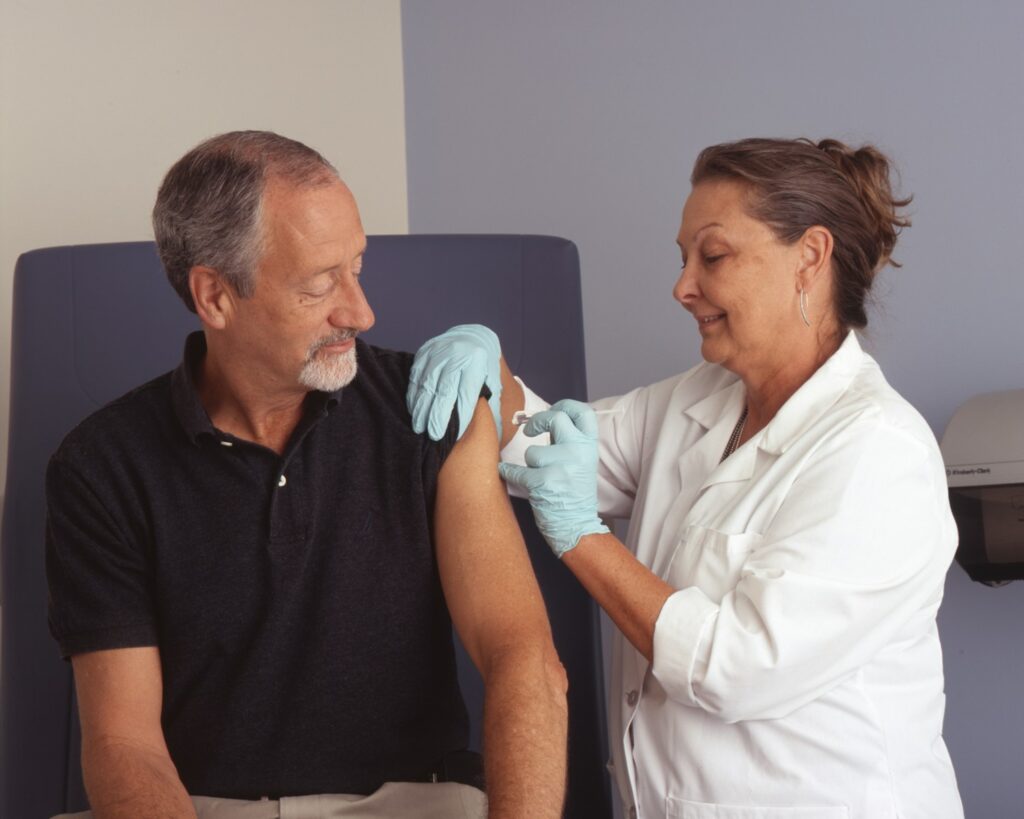
The top-ranked VCU School of Nursing has established partnerships with numerous healthcare organizations and facilities in the Richmond area and beyond. These partnerships offer students a wide range of clinical placement options, allowing them to gain experience in various healthcare settings such as hospitals, clinics, long-term care facilities, and community health centers. These partnerships also provide students with exposure to diverse patient populations and healthcare challenges, enhancing their understanding of the complexities of healthcare delivery.
In addition to traditional clinical placements, VCU School of Nursing also offers innovative clinical experiences through its simulation laboratories. These state-of-the-art labs provide students with the opportunity to practice and develop their clinical skills in a safe and controlled environment. Simulation experiences allow students to make critical decisions, communicate with patients and healthcare teams, and manage complex patient scenarios, all under the guidance of experienced faculty.
Furthermore, VCU School of Nursing actively seeks out and cultivates research partnerships with healthcare organizations and institutions. These partnerships provide students with the opportunity to engage in research projects that address pressing healthcare issues and contribute to the advancement of nursing knowledge. Working alongside faculty members and researchers, students gain valuable research skills and experience firsthand the intersection of research and clinical practice.
Overall, the clinical experiences and partnerships at VCU School of Nursing play a crucial role in equipping students with the practical skills, knowledge, and confidence needed to succeed as compassionate and competent nurses. These experiences allow students to bridge the gap between theory and practice, shaping them into well-rounded healthcare professionals.
George Mason University College of Health and Human Services
George Mason University College of Health and Human Services is home to the School of Nursing, which has a proud history spanning over forty years. The college offers various pathways for students interested in pursuing a nursing degree, including a traditional BSN program, an accelerated second degree BSN program, an RN-to-BSN program, and two co-enrollment programs. This range of options allows aspiring nurses to choose the pathway that best fits their educational and career goals.

The School of Nursing at George Mason University has garnered a strong reputation, and its graduates have found great success in their nursing careers. In fact, one out of every three nurses practicing in the DC metropolitan area is an alumnus of the GMU School of Nursing. This speaks to the quality of education and training provided by the program.
One noteworthy achievement of the School of Nursing is its consistently high first-time pass rate on the NCLEX licensure examination. Over the past decade, prelicensure BSN students have achieved an impressive 86% first-time pass rate. This reflects the school’s commitment to preparing students for the challenges of the nursing profession and ensuring their success in obtaining licensure.
The faculty at the School of Nursing are experienced professionals with expertise in various areas of nursing practice and research. They bring their wealth of knowledge and real-world experience to the classroom, providing students with a comprehensive education that combines theoretical and practical learning.
In addition to the strong academic program, an advantage of studying nursing at George Mason University is the wealth of career opportunities available in the DC metropolitan area. The proximity to prestigious healthcare institutions and government agencies provides students with a wide range of clinical placements and potential employment prospects upon graduation.
Overall, the George Mason University College of Health and Human Services offers a comprehensive nursing education that prepares students for success in their careers. The combination of high-quality instruction, exceptional clinical experiences, and strong alumni network makes this school an excellent choice for aspiring nurses. Additionally, the new state-of-the-art nursing facility, Payne Hall, provides students with modern and cutting-edge learning environments to enhance their education and training.
George Mason University College of Health and Human Services Nursing faculty and their expertise
The nursing faculty at George Mason University College of Health and Human Services are experienced professionals who bring a wealth of knowledge and expertise to the classroom. They are dedicated to providing students with a comprehensive education that combines theoretical knowledge with practical skills. The faculty members are experts in various areas of nursing practice and research, ensuring that students receive a well-rounded education.

The faculty at George Mason University have extensive experience working in the field of nursing and are actively involved in research and scholarly activities. They stay up-to-date with the latest advancements in the field and incorporate this knowledge into their teaching. Their expertise allows them to provide valuable insights and guidance to their students, helping them develop the necessary skills to excel in the nursing profession.
In addition to their expertise, the faculty members at George Mason University are also committed to fostering a supportive and inclusive learning environment. They take the time to get to know their students and provide individualized attention and support. They serve as mentors and role models, inspiring and motivating students to reach their full potential.
The faculty members at George Mason University College of Health and Human Services are passionate about nursing education and are dedicated to preparing the next generation of nurses. Their knowledge, expertise, and commitment to teaching make them invaluable assets to the nursing program at George Mason University. Their guidance and mentorship contribute to the success of students and help shape them into competent and compassionate nursing professionals.
Overall, the nursing faculty at George Mason University College of Health and Human Services are a group of highly skilled and dedicated professionals who are committed to providing students with a quality education. Their expertise, experience, and passion for teaching make them an integral part of the nursing program at George Mason University.
The advantages of studying nursing at a small college like Randolph-Macon
Studying nursing at a small college like Randolph-Macon offers several advantages for students.
- Personalized attention: With smaller class sizes, students can benefit from more one-on-one interaction with professors and receive individualized attention. This can foster a supportive and nurturing learning environment, where students can ask questions, seek clarification, and receive guidance tailored to their specific needs and interests.
- Close-knit community: The tight-knit community at a small college promotes a sense of belonging and camaraderie among nursing students. It allows for greater collaboration and networking opportunities, as students work closely with their peers and build relationships that can extend beyond the duration of their program. This support system can be invaluable in navigating the challenges of nursing education.
- Accessible resources: At a small college, students often have greater access to resources and facilities. Randolph-Macon, for example, boasts a new, modern, and state-of-the-art nursing facility, Payne Hall. This facility provides students with hands-on training and simulation opportunities, allowing them to apply their knowledge in a realistic setting.
- Enhanced clinical experiences: Small colleges often have established relationships with local healthcare organizations, providing students with a diverse range of clinical experiences. These partnerships can result in valuable learning opportunities, where students can gain exposure to different specialties, work with experienced nurses, and develop their practical skills.
- Supportive faculty: The faculty at small colleges like Randolph-Macon are dedicated to student success and offer personalized mentorship. They can provide guidance, encouragement, and support throughout the nursing program, helping students navigate challenges and develop the skills necessary for a successful nursing career.
In summary, studying nursing at a small college like Randolph-Macon offers numerous advantages, including personalized attention, a close-knit community, accessible resources, enhanced clinical experiences, and supportive faculty. These benefits can contribute to a well-rounded education and better prepare students for a successful nursing career.
Conclusion
Key factors to consider when choosing a nursing school in Virginia
When choosing a nursing school in Virginia, there are several key factors that prospective students should consider. These factors can greatly impact the quality of education, learning experience, and future career opportunities. Some key factors to consider include:

- Accreditation: It is important to ensure that the nursing program and the institution itself are accredited by a recognized accrediting body. Accreditation ensures that the program meets certain standards of quality and that graduates are eligible for licensure and employment.
- Program offerings: Consider the range of nursing programs offered by the school, such as Associate Degree in Nursing (ADN), Bachelor of Science in Nursing (BSN), and Master of Science in Nursing (MSN). Choose a program that aligns with your educational and career goals.
- Clinical experiences: Look for schools that offer diverse and meaningful clinical experiences. Practical hands-on experience is crucial for developing nursing skills and confidence.
- Faculty expertise: Research the qualifications and experience of the nursing faculty. Highly qualified faculty members can provide valuable mentorship and support throughout your education.
- Resources and facilities: Consider the resources and facilities available to nursing students. Access to state-of-the-art facilities, simulation labs, and up-to-date technology can enhance the learning experience.
- Student support services: Evaluate the support services offered by the school, such as tutoring, counseling, and career guidance. These services can contribute to your academic and personal success.
- Cost and financial aid: Consider the cost of tuition and any additional fees when choosing a nursing school. Also, explore the availability of scholarships, grants, and other forms of financial aid to help offset the cost of your education.
By considering these key factors, prospective nursing students can make an informed decision and select a nursing school that best aligns with their goals and needs.
Future outlook for nursing education and profession in the state
The future outlook for nursing education and the nursing profession in Virginia is promising. The demand for healthcare professionals, including nurses, is expected to continue to grow as the population ages and the need for quality healthcare increases. This provides ample employment opportunities for nursing graduates in the state.
In terms of nursing education, Virginia colleges and universities are continuously adapting their programs to meet the evolving healthcare needs of the community. There is a growing emphasis on interdisciplinary collaboration, technology integration, and evidence-based practice in nursing education. This ensures that graduates are well-prepared to provide high-quality and patient-centered care in a rapidly changing healthcare environment.
Furthermore, the state of Virginia is investing in the expansion and improvement of nursing education facilities. For example, Payne Hall at Randolph-Macon College is a new, modern, and state-of-the-art nursing facility that provides students with access to advanced learning resources and simulation labs.
In addition to advancements in education, the nursing profession in Virginia is experiencing continued growth and recognition. Nurses are being recognized for their vital role in healthcare delivery and are increasingly taking on leadership positions in healthcare organizations. The profession is also seeing an increase in specialization opportunities, such as nurse practitioners, nurse educators, and nurse researchers.
Overall, the future of nursing education and the nursing profession in Virginia is bright. As the demand for healthcare services continues to rise, nurses will play a crucial role in providing quality care to the community. Prospective nursing students can expect rewarding career opportunities and a supportive environment for continuous professional growth and development in the state.